


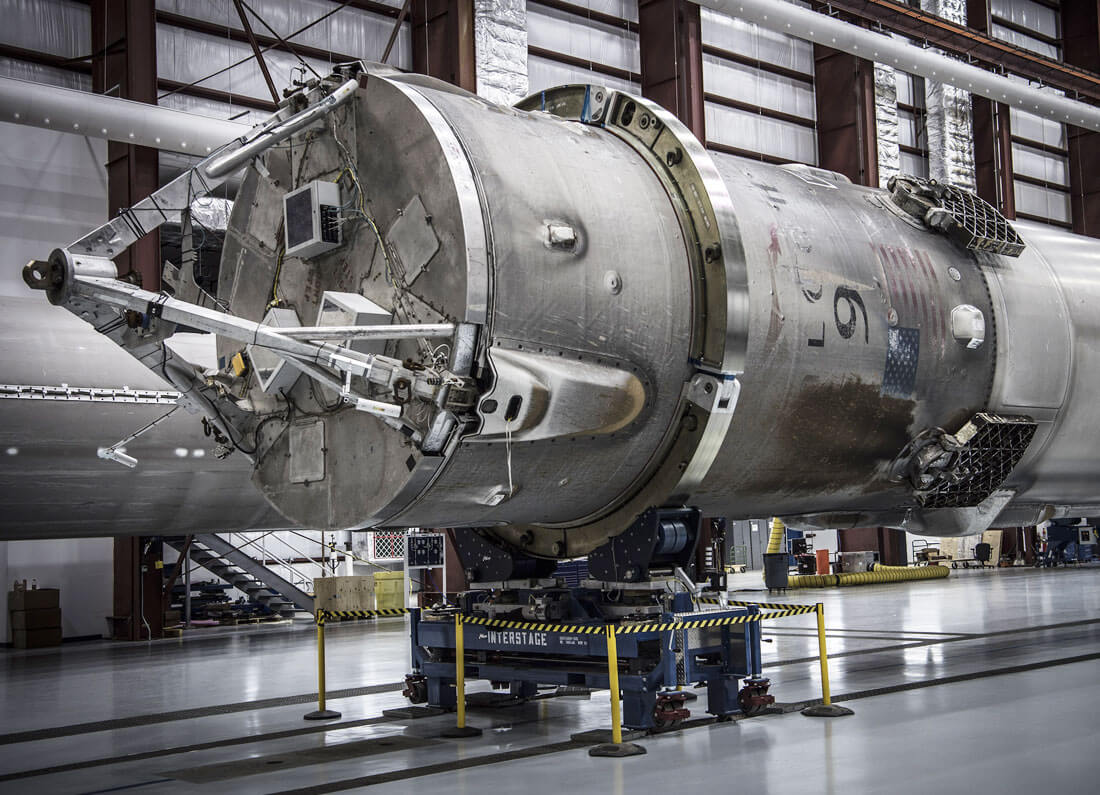
This thought-provoking quote by science fiction writer Arthur C. Clarke offers a profound perspective on the intersection of technology, human understanding, and the mysteries of the universe. “Any sufficiently advanced technology is indistinguishable from magic” suggests that when a technology becomes complex and sophisticated enough, it can appear to be magical to those who don’t understand it. It raises questions about the nature of technological progress, human perception, and the boundaries between science and the mystical.
1. The Relationship Between Technology and Perception
Clarke’s statement hinges on how technology is perceived by its users. To someone with little understanding of the technology in question, its capabilities may seem like supernatural phenomena. A simple example of this can be seen in the advancements of mobile phones and computers. Imagine showing an iPhone to someone from the 18th century: they would likely perceive it as some kind of mystical object, capable of feats beyond their comprehension.
Similarly, modern scientific innovations such as artificial intelligence, quantum computing, or even biotechnology might seem “magical” to people who are not familiar with the underlying principles. What we now take for granted in everyday life—smartphones, the internet, advanced medical treatments—would likely have been regarded as wizardry just a century ago.
2. The Evolution of Technology and the Boundaries of Understanding
Over time, technology evolves from being mysterious and seemingly magical to becoming an accepted part of life. In the past, the use of electricity, flight, and even the printing press were once seen as extraordinary breakthroughs—so groundbreaking that they seemed like miracles at the time. As science and engineering advanced, the “magic” behind these technologies became understood and normalized.
The phrase “indistinguishable from magic” underscores the point that as technology advances, it often outpaces the public’s ability to fully comprehend it. Today, we are in the midst of breakthroughs in fields like nanotechnology, genetic engineering, and space exploration. While these technologies may still appear magical to many, it’s likely that in time, as we become more knowledgeable and familiar with them, they will seem like natural parts of our technological landscape.
3. Technology as a Tool for Human Imagination and Creation
The idea that technology can resemble magic also speaks to its potential for wonder and creativity. Just as magic in fantasy literature often allows characters to defy the natural world, advanced technology allows us to push the boundaries of what is physically and scientifically possible. For example, the advent of virtual reality (VR) can transport people to entirely new worlds, and advanced robotics may one day allow us to replicate human-like movements, both of which might be described as “magical” in nature.
Furthermore, technology allows us to unlock the power of imagination, turning dreams into reality. From creating lifelike animations to developing AI that can compose music or write stories, technology allows us to mimic aspects of the mystical or artistic worlds. In this sense, it’s no surprise that to the uninitiated, these creations might seem like feats of magic rather than the result of years of human innovation and knowledge.
4. The Potential for Technology to Shape Our Understanding of the Universe
One of the most exciting aspects of advanced technology is its ability to transform our understanding of the universe. Concepts that once belonged to the realm of fantasy—such as time travel, interstellar communication, and artificial life—are now subjects of serious scientific inquiry. Technologies that enable us to explore deep space or manipulate the very building blocks of life can be perceived as opening the doors to previously unimaginable possibilities.
Take space exploration, for example. The idea of humans traveling to the moon or Mars might have seemed magical just a few generations ago, but today, we consider it a realistic future goal. Advanced telescopes have allowed us to observe distant galaxies, and AI is helping scientists make groundbreaking discoveries. What was once thought of as magic is gradually becoming an integral part of scientific exploration.
5. The Ethical and Philosophical Implications of Magic-like Technology
As we push the boundaries of what technology can do, we also face ethical questions that mirror the dilemmas often posed in stories involving magic. Just as wizards or sorcerers in mythology struggle with the moral implications of their powers, the developers and users of powerful technologies must grapple with questions of control, responsibility, and the consequences of their creations.
For example, advanced technologies like AI, genetic modification, and surveillance tools raise questions about privacy, consent, and the potential for misuse. Just as in magical stories where powers can be used for both good and evil, the potential for technology to be used for either beneficial or harmful purposes rests in the hands of humanity. These ethical considerations add another layer of complexity to the idea of technology as “magic.”
6. The Role of Wonder in Technological Progress
Ultimately, Clarke’s quote speaks to the awe and wonder that technology can inspire. Whether it’s the latest scientific discovery, a new gadget, or an innovative medical treatment, advanced technology has the power to inspire the same sense of wonder and excitement that magic once did. It challenges our understanding of the world, raises new questions, and sparks the imagination.
In many ways, the pursuit of technology mirrors the human fascination with magic. We have always sought to understand and manipulate the forces of nature—first through mystical rituals, and now through science and engineering. In this sense, technology can be seen as the modern-day equivalent of magic, providing us with the tools to shape the world around us in extraordinary ways.
7. The Future of “Magic” and Technology
As we look to the future, it’s exciting to consider the endless possibilities that lie ahead. Technologies like quantum computers, mind-controlled interfaces, and artificial life forms could continue to blur the lines between what we consider possible and impossible. Technologies that currently feel magical to us—such as AI-assisted medical diagnosis, space travel, or brain-machine interfaces—may one day become as commonplace as a smartphone.
In a sense, the future of technology will be a continual unfolding of what once seemed like impossible magic, made real through human ingenuity. As Clarke’s quote suggests, we are on the brink of an era where the gap between magic and science will continue to narrow, with technologies that may one day be seen as indistinguishable from the fantastical.
Conclusion: Magic and Technology—Two Sides of the Same Coin
Arthur C. Clarke’s famous quote invites us to rethink how we perceive the relationship between magic and technology. As technology advances, it has the potential to seem as wondrous and mysterious as the magical worlds we’ve imagined in stories and myths. And while technology might be based on science, research, and engineering, its ability to change our lives in profound ways often evokes the same sense of awe and amazement that magic once did.
Ultimately, as our understanding of the world deepens, what once seemed magical may soon become ordinary—until we encounter the next breakthrough, which will again push the boundaries of possibility and stir our sense of wonder. Perhaps the greatest magic of all is in how technology constantly transforms our reality, turning the impossible into the possible, and reshaping the future in ways we can only begin to imagine.









Leave a Reply